PMOS (PCOS)
Clinical articles on pmos (pcos), reviewed by NMC-registered specialists.
See how Kyros treats pmos (pcos) →
PMOS (PCOS), Acne, Hair Loss, and Facial Hair: Why It Happens
PMOS (PCOS) acne, scalp hair thinning, and facial hair share one hormonal root. Here is why each happens, what a doctor checks, and what genuinely helps.
Reviewed by Dr. Alla Renuka · 6 min read
PMOS (PCOS) Hormone Blood Tests Explained
LH, FSH, AMH, testosterone, insulin — what do PMOS (PCOS) blood tests check, and what do results mean? A plain-language guide to reading your report.
Reviewed by Dr. Alla Renuka · 6 min read

PMOS (PCOS) Medication Options in India: What Doctors Actually Consider
What medicines might a doctor consider for PMOS (PCOS) in India, and how long before you notice a difference? A doctor-guided overview, no dosages.
Reviewed by Dr. Alla Renuka · 6 min read

PMOS (PCOS) Beyond Periods and Weight: Anxiety, Sleep, and Digestion
PMOS (PCOS) affects more than periods and weight. Here is why anxiety, poor sleep, and digestive issues are common, and what a doctor checks for each.
Reviewed by Dr. Alla Renuka · 5 min read

PMOS (PCOS) Myths and Facts: What's Actually True
Can PMOS (PCOS) be reversed? Do 'PCOS hacks' actually work? We separate common PMOS myths from what evidence and doctors actually say.
Reviewed by Dr. Alla Renuka · 6 min read

PMOS (PCOS), Family Conversations, and Managing It at Every Age
Why is PMOS (PCOS) still taboo in India, how do you talk to family about a diagnosis, and does it change with age? A practical, honest guide.
Reviewed by Dr. Alla Renuka · 6 min read

PMOS (PCOS) Supplements and Natural Remedies: What Evidence Actually Shows
Spearmint tea, berberine, inositol — do PMOS (PCOS) supplements actually work? An honest, doctor-guided look at what has evidence before trying any of them.
Reviewed by Dr. Alla Renuka · 6 min read
PMOS (PCOS) Test and Treatment Cost in India: What to Budget
Worried about the cost of PMOS (PCOS) diagnosis and care in India? Here's what tests typically involve, what drives the cost, and low-cost ways to manage well.
Reviewed by Dr. Alla Renuka · 6 min read

Yoga, Meditation, and Managing PMOS (PCOS) Stress While Working Full-Time
Can yoga and meditation help PMOS (PCOS)? Here is what movement and stress management can realistically do, and how to manage PMOS while working full-time.
Reviewed by Dr. Alla Renuka · 6 min read

Which Doctor Should You See for PMOS (PCOS)? And Is Online Right for You?
Gynaecologist, endocrinologist, or general physician? Here's who actually manages PMOS (PCOS) in India, and what to ask when you see one.
Reviewed by Dr. Alla Renuka · 6 min read
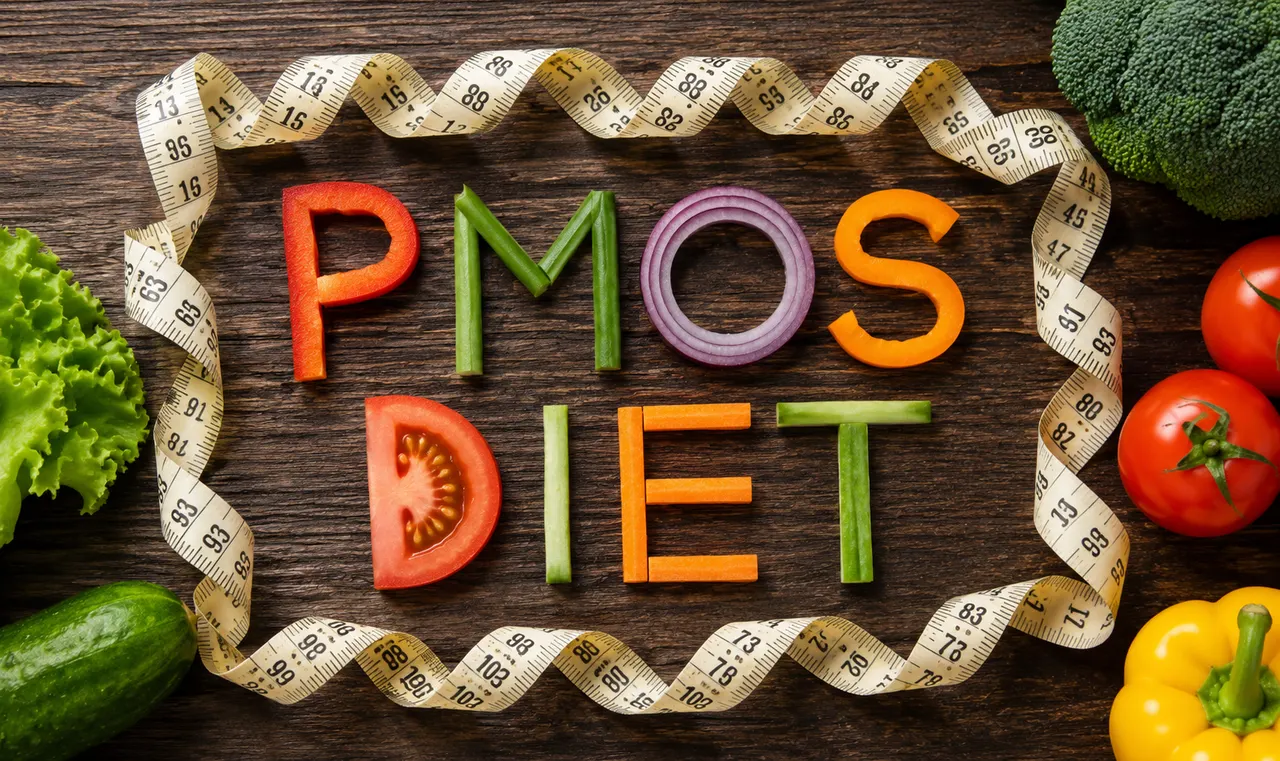
PMOS (PCOS) Diet: What to Eat, an Indian Guide
A simple Indian eating approach for PMOS (PCOS) that steadies insulin. What to put on your plate, what to limit, and why crash diets backfire.
Reviewed by Dr. Alla Renuka · 2 min read
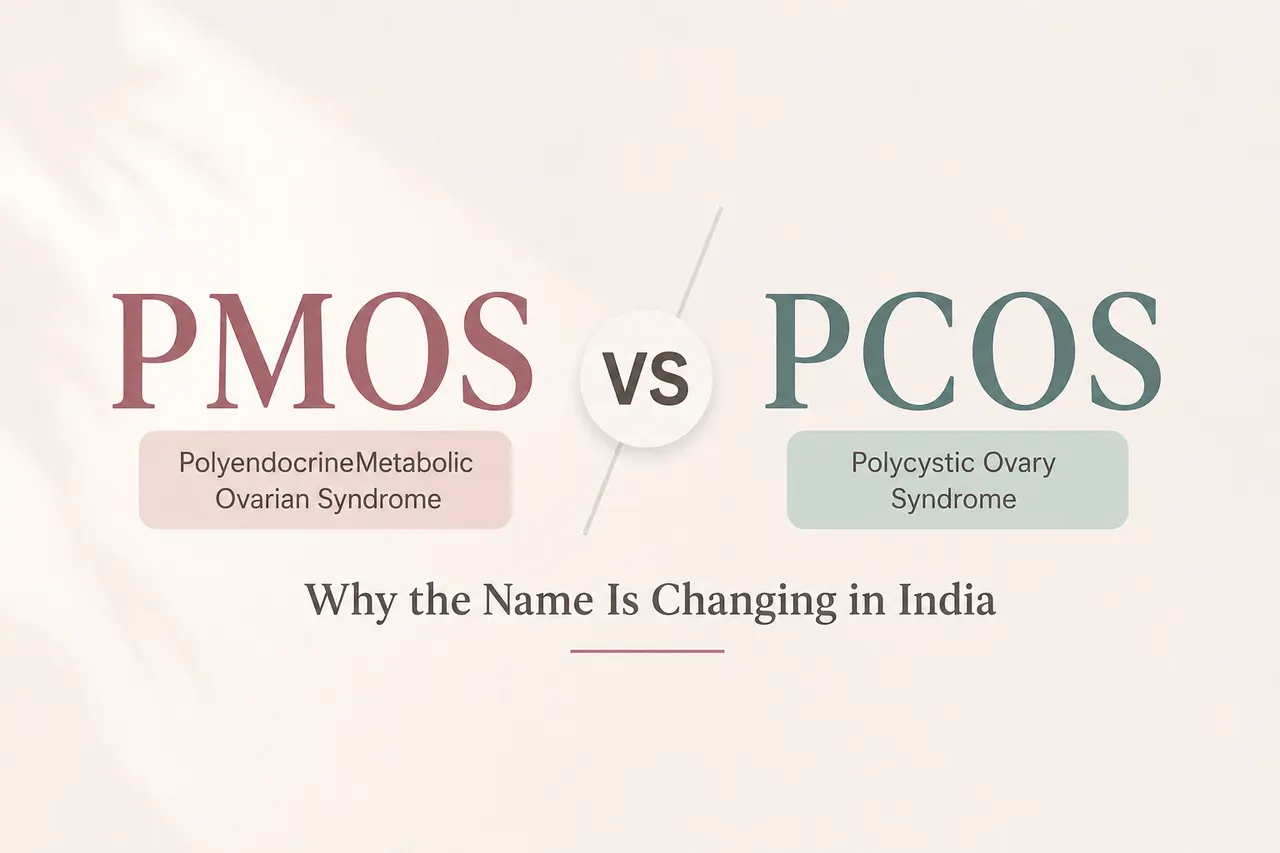
PMOS vs PCOS: Why the Name Is Changing in India
PMOS is the metabolic-first way of understanding what most call PCOS or PCOD. Here's what PMOS means, why the name matters, and why it fits Indian women.
Reviewed by Dr. Alla Renuka · 3 min read
Irregular Periods and PMOS (PCOS): When They're Linked
Irregular periods have many causes, and PMOS (PCOS) is one. Here is what counts as irregular, when it points to PMOS, and what else a doctor checks.
Reviewed by Dr. Alla Renuka · 2 min read
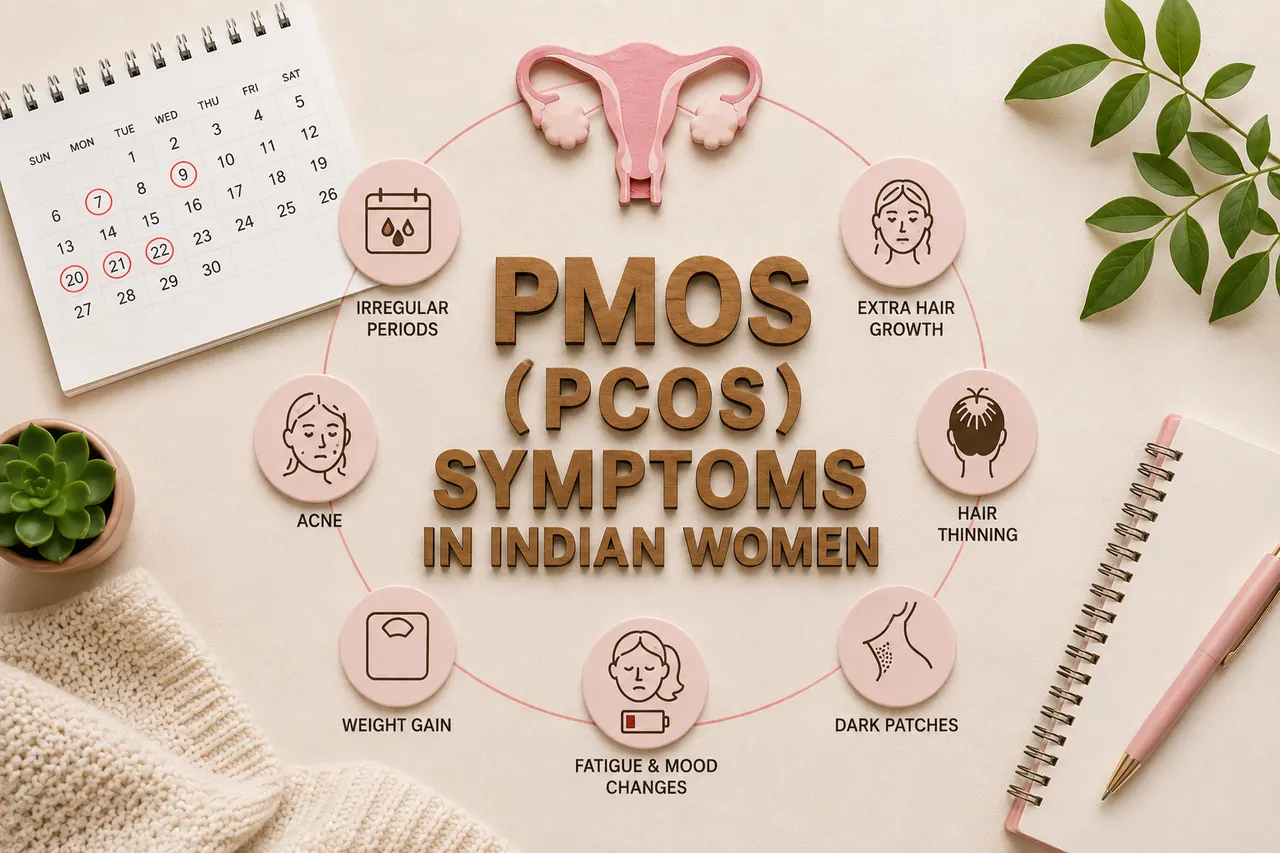
PMOS (PCOS) Symptoms in Indian Women
Irregular periods, acne, weight gain, extra hair? These are common PMOS (PCOS/PCOD) symptoms in Indian women, and the simple checks your doctor does.
Reviewed by Dr. Alla Renuka · 2 min read
PMOS and Weight Gain (PCOS): Why It Happens
PMOS (PCOS) makes weight gain easier and weight loss slower. Here is the insulin reason behind it, and why managing the cause helps more than dieting alone.
Reviewed by Dr. Alla Renuka · 2 min read
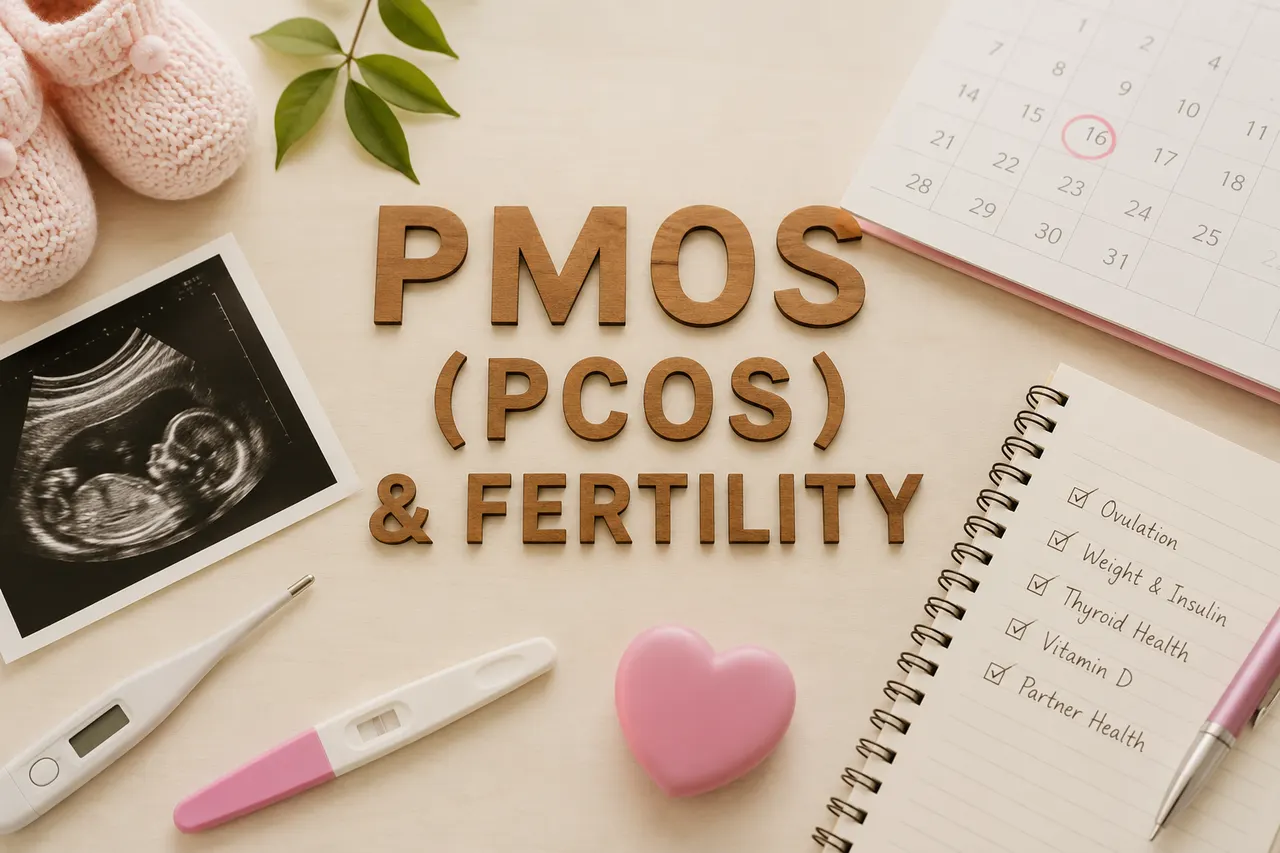
PMOS (PCOS) and Fertility: What to Know If You're TTC
Can you get pregnant with PMOS (PCOS)? For most women, yes. Here is how it affects fertility, what a doctor checks, and when to seek help.
Reviewed by Dr. Alla Renuka · 2 min read
Questions people ask before an online pmos (pcos) consultation
Real questions from patients, answered directly.
- Can I Get Pregnant with PCOS? What You Need to Know
- Yes — most women with PMOS (PCOS) can conceive. It often makes ovulation irregular, which can make it take longer, but with a doctor's guidance and, where needed, targeted support, pregnancy is very possible for the great majority of women. For more details, visit this blog post.
- Is PCOS Now Called PMOS? Understanding the Terminology Change
- PCOS and PCOD remain the medically recognised terms. Kyros also uses PMOS (PolyendocrineMetabolic Ovarian Syndrome) as a metabolic-first framing of the same condition, to put insulin and metabolism — the usual real driver — at the centre rather than just the ovaries. For more details, visit this blog post.
- PCOS Test Cost in India: How Much Should You Budget?
- There is no single figure — it depends on which hormones are tested, your city, and the lab used. A doctor who takes your history first and orders only the tests your symptoms call for, rather than a broad generic panel, keeps the first assessment more affordable. For more details, visit this blog post.
- How to Lose Weight with PCOS: Real Tips That Work
- PMOS (PCOS) makes weight loss harder because of insulin resistance, so standard 'eat less, move more' advice gives smaller results than expected. A plan that addresses insulin directly — steady, protein-and-fibre-forward meals, regular movement, and medical support where a doctor finds it needed — works better than diet alone. For more details, visit this blog post.
- Spearmint Tea for PCOS: Does It Really Help with Hair Loss?
- Some small studies suggest spearmint tea may modestly lower markers linked to excess male-type hormones involved in PMOS hair changes, but the evidence is limited and the effect is not dramatic. It shouldn't replace a proper assessment of what's actually driving your hair loss. For more details, visit this blog post.
- PCOS and Acne: Why It Happens and How to Fix It
- PMOS (PCOS) acne is usually driven by slightly raised male-type hormones that increase oil production, typically showing up along the jaw and chin and often resisting standard over-the-counter products. Addressing the underlying hormonal and insulin pattern, guided by a doctor, tends to help more than treating the skin alone. For more details, visit this blog post.
- Managing PCOS on a Budget: Low-Cost Solutions That Work
- The most effective first steps for PMOS (PCOS) — diet pattern, regular movement, sleep, and stress management — cost little to nothing and are also the most evidence-backed starting point for most women. Tests and medicines are then added selectively, based on what a doctor finds, not as a default expensive package. For more details, visit this blog post.
- Which Doctor Should I See for PCOS Diagnosis and Treatment?
- Gynaecologists, endocrinologists, and general physicians all commonly manage PMOS (PCOS) in India, and there is no single correct specialty to start with. What matters more is finding a doctor who looks at periods, skin, weight, and metabolism together rather than just one piece. For more details, visit this blog post.
- PCOS Myth Busting: What You Really Need to Know
- Common myths include that PCOS can be reversed or cured (it is managed, long-term), that it's purely a weight problem (women at a healthy weight can have it too), and that a regular cycle rules it out (uncommon but possible to have PMOS with fairly regular periods). A doctor can help you separate what's true for your specific case from what's just circulating online. For more details, visit this blog post.
- PCOS Supplements in India: What Actually Works?
- A few supplements, including inositol and berberine, have some real supporting evidence for insulin-related PMOS (PCOS) markers, though none are proven stand-alone treatments and some carry interaction risks. Supplement quality varies widely in the Indian market, so choosing reputable brands and telling your doctor what you're taking matters more than which specific product you pick. For more details, visit this blog post.
- Does Ozempic Really Help PCOS? What People Are Saying
- Medicines in the GLP-1 class are being studied and used for weight and metabolic management, and a doctor may discuss this class of medicine where insulin resistance and weight are significant drivers of your PMOS (PCOS). It is a prescription decision made case by case after a full assessment, never a routine or self-directed PCOS fix. For more details, visit this blog post.
- PCOS and Mental Health: Why Anxiety Matters
- Women with PMOS (PCOS) report higher rates of anxiety and low mood, driven by a combination of hormonal shifts, insulin resistance, and the real emotional weight of visible symptoms and diagnostic delay. This is a recognised part of PMOS care worth raising directly with your doctor, not a separate issue to manage alone. For more details, visit this blog post.
- Yoga for PCOS: Best Poses and Routines for Hormonal Balance
- Regular movement, including yoga, supports PMOS (PCOS) management mainly by improving insulin sensitivity and lowering stress, not by directly correcting hormone levels through any specific pose. Consistency in a routine you'll actually keep doing matters more than any particular sequence. For more details, visit this blog post.
- Irregular Periods and PCOS: What's Normal?
- Cycles shorter than about 21 days, longer than about 35 days, or that vary a lot month to month are generally considered irregular. PMOS (PCOS) becomes a likely explanation when irregular cycles come together with other signs like acne, weight gain, or extra hair — the combination matters more than irregularity alone. For more details, visit this blog post.
- PCOS Diet Plan: What Should I Actually Eat?
- There's no single 'PCOS diet,' but eating that steadies insulin helps most: protein and fibre at each meal, whole grains over refined ones, and fewer sugary or heavily processed foods — all achievable with everyday Indian foods. Crash diets tend to backfire; steady, livable changes work better over time. For more details, visit this blog post.
- Hair Loss and PCOS: Will My Hair Grow Back?
- Often, yes, at least partially, once the underlying hormone and insulin pattern behind PMOS (PCOS) is addressed — though regrowth is typically gradual over months, not sudden, and varies between individuals. It's also worth having a doctor rule out other common contributors like iron deficiency or thyroid issues. For more details, visit this blog post.
- Why PCOS Is Still Taboo in India (And Why It Shouldn't Be)
- General discomfort discussing periods, the visible nature of symptoms like acne and weight, and its link to fertility all contribute to PMOS (PCOS) staying quiet despite affecting close to 1 in 5 Indian women by wider criteria. Naming this silence for what it is — a cultural pattern, not a reflection of how unusual your case is — is often the first useful step. For more details, visit this blog post.
- Berberine for PCOS: Does This Supplement Really Work?
- Berberine has been studied for effects on blood sugar and insulin sensitivity, both relevant to PMOS (PCOS), with some promising research results. It can interact with other medicines and isn't risk-free, so it should only be tried with your doctor's knowledge rather than as a self-directed alternative to medical care. For more details, visit this blog post.
- PCOS and Insulin Resistance: What's the Connection?
- Insulin resistance sits at the centre of most PMOS (PCOS) symptoms — high insulin is a strong fat-storage signal and also raises male-type hormones, worsening weight, skin, and cycle symptoms in a self-reinforcing loop. Addressing the insulin side, not just calories, is usually what unlocks real progress. For more details, visit this blog post.
- How Long Does It Take to See Results with PCOS Treatment?
- There is no fixed timeline for PMOS (PCOS) treatment — different symptoms respond on different schedules and response varies between individuals. A doctor can set realistic expectations for your specific approach and a clear follow-up point to review whether it's working. For more details, visit this blog post.
- PCOS Diagnosis at 23: What I Wish I'd Known
- An earlier PMOS (PCOS) diagnosis, often after years of being told irregular periods are 'normal,' gives more time to build good management habits before other life priorities add pressure. The most useful mindset at this stage is treating it as a long-term condition to learn to manage well, not a crisis to solve immediately. For more details, visit this blog post.
- Can You Reverse PCOS? What Science Says
- No — PMOS (PCOS) is a long-term condition that is managed, not reversed or cured. Many women see real, meaningful improvement in symptoms with consistent, doctor-guided care, which is different from the condition disappearing permanently. For more details, visit this blog post.
- PCOS Medications Available in India: Your Options Explained
- Depending on your symptoms, a doctor may consider approaches for cycle regulation, insulin resistance, fertility support, or skin and hair symptoms — there is no single default PMOS (PCOS) prescription. Which option, if any, is chosen depends on your individual test results and goals, decided together with your doctor. For more details, visit this blog post.
- Meditation and PCOS: How It Helped My Hormones
- Meditation doesn't directly change hormone levels, but it genuinely lowers stress, and lower stress supports better sleep and steadier insulin function — both relevant to PMOS (PCOS) symptoms. It's a useful supporting habit alongside diet, movement, and medical care, not a stand-alone hormonal fix. For more details, visit this blog post.
- Facial Hair and PCOS: Why It Happens and How to Deal
- Facial and body hair growth (hirsutism) in PMOS (PCOS) happens because hair follicles in areas like the chin and jawline are especially sensitive to modestly raised male-type hormones. Cosmetic hair removal manages the visible hair, but addressing the underlying hormonal driver with a doctor is what affects the regrowth rate long-term. For more details, visit this blog post.
- How Much Weight Can You Lose with PCOS in 2 Months?
- There's no fixed or guaranteed amount — PMOS (PCOS) weight loss is typically slower than average because of insulin resistance, and progress varies by individual. A plan that targets the insulin driver, reviewed with a doctor, matters more than chasing a specific number by a specific date. For more details, visit this blog post.
- PCOS and Fertility: Success Stories and What Helps
- Most women with PMOS (PCOS) can conceive, and steadying the cycle through weight, insulin, and doctor-guided support is often enough to restore regular ovulation. Where more help is needed, a doctor can guide further steps safely and effectively. For more details, visit this blog post.
- Online PCOS Consultation: Is It Right for You?
- Online consultation works well for the history-taking, symptom review, test interpretation, and ongoing follow-up that make up most of PMOS (PCOS) care. A doctor will tell you plainly if something — like a physical exam or ultrasound — needs an in-person visit, rather than trying to substitute for it. For more details, visit this blog post.
- PCOS Hormones Explained: Understanding Your Blood Tests
- PMOS (PCOS) blood tests typically look at hormones like LH, FSH, testosterone, and AMH, alongside blood sugar and insulin markers — no single result confirms the diagnosis on its own. A doctor reads the pattern across your symptoms and several tests together, since reference ranges vary by lab and cycle timing. For more details, visit this blog post.
- When to Start Taking PCOS Medication: A Practical Guide
- A doctor typically considers medication when non-medicine steps haven't given enough improvement after a reasonable trial, when a symptom needs earlier support, or when test results point clearly to something worth addressing directly. This is an individual clinical judgment made with you, not a fixed rule applied to every case. For more details, visit this blog post.
- PCOS and Digestion Issues: Why Your Stomach Is Acting Up
- Insulin resistance, hormonal shifts, dietary patterns, and stress can all affect digestion in PMOS (PCOS), and some women also have overlapping gut conditions that add to the picture. A doctor can help sort out what's actually driving your specific digestive symptoms rather than assuming it's simply part of PMOS. For more details, visit this blog post.
- Unconventional PCOS Hacks: Tips Beyond the Basics
- Many 'PCOS hacks' circulating online are either repackaged basic advice — sleep, regular meals, movement — dressed up in trendier language, or claims with thin evidence behind them. A useful filter is asking whether a doctor or dietitian would actually recommend the specific claim, not just whether it sounds plausible. For more details, visit this blog post.
- PCOS While Working Full-Time: How to Manage Stress
- Small, consistent habits — anchoring meal timing, short movement breaks, and protecting sleep — tend to work better for a demanding job than an ambitious plan that gets abandoned within weeks. A doctor can help you prioritise the one or two changes that matter most for your specific PMOS (PCOS) symptoms. For more details, visit this blog post.
- Should You Get PCOS Screening? Who Really Needs It
- It's worth raising PMOS (PCOS) with a doctor if you have irregular periods, unexplained weight change, acne, excess hair growth, or a family history of PMOS or type 2 diabetes. Not every woman needs screening, and a doctor can judge whether your specific situation calls for it. For more details, visit this blog post.
- PCOS Community in India: Finding Support Online
- Online communities have become a genuine source of support for many Indian women managing PMOS (PCOS), offering shared experience and practical tips in a way in-person groups often don't yet match. Individual medical advice shared in these spaces is still worth checking against your own doctor's guidance, since what worked for someone else may not fit your specific pattern. For more details, visit this blog post.
- Natural Remedies for PCOS: What Actually Has Evidence?
- A handful of options — including inositol, berberine, and to a lesser extent spearmint tea — have some real supporting evidence for specific PMOS (PCOS) markers, while many other marketed 'natural remedies' rely mainly on testimonials rather than evidence. None replace a proper doctor-guided assessment of what's driving your symptoms. For more details, visit this blog post.
- How to Talk to Your Family About Your PCOS Diagnosis
- Framing PMOS (PCOS) as a hormone-and-metabolism condition, rather than centring on periods or fertility, often makes the conversation easier for family to process, and bringing a doctor's summary can help too. You're not obligated to share the full picture — deciding what to disclose, to whom, and when is entirely your choice. For more details, visit this blog post.
- PCOS and Sleep Issues: Why You Can't Sleep
- Insulin resistance, hormone shifts, higher rates of sleep-breathing issues, and anxiety can all disrupt sleep in PMOS (PCOS), and poor sleep in turn worsens insulin resistance — a two-way loop. Mentioning specific details like snoring or unrefreshing sleep to your doctor can help determine whether a sleep-specific evaluation makes sense. For more details, visit this blog post.
- Questions to Ask Your Doctor About PCOS Treatment
- Useful questions include what's actually driving your specific symptoms, which tests you truly need and why, what would change your treatment plan, and how often you should expect to follow up. Bringing a short prepared list like this helps a doctor understand what matters most to you and makes the consultation more productive. For more details, visit this blog post.
- PCOS at Different Ages: What Changes as You Get Older
- In your twenties, PMOS (PCOS) management often centres on building good habits after diagnosis; through your late twenties and thirties, fertility questions often become more prominent; from your late thirties onward, metabolic and long-term health risks like insulin resistance take more focus. Ongoing, age-appropriate doctor follow-up matters at every stage, not just around the initial diagnosis. For more details, visit this blog post.
Ready to talk to a pmos (pcos) specialist?
Book a consultation