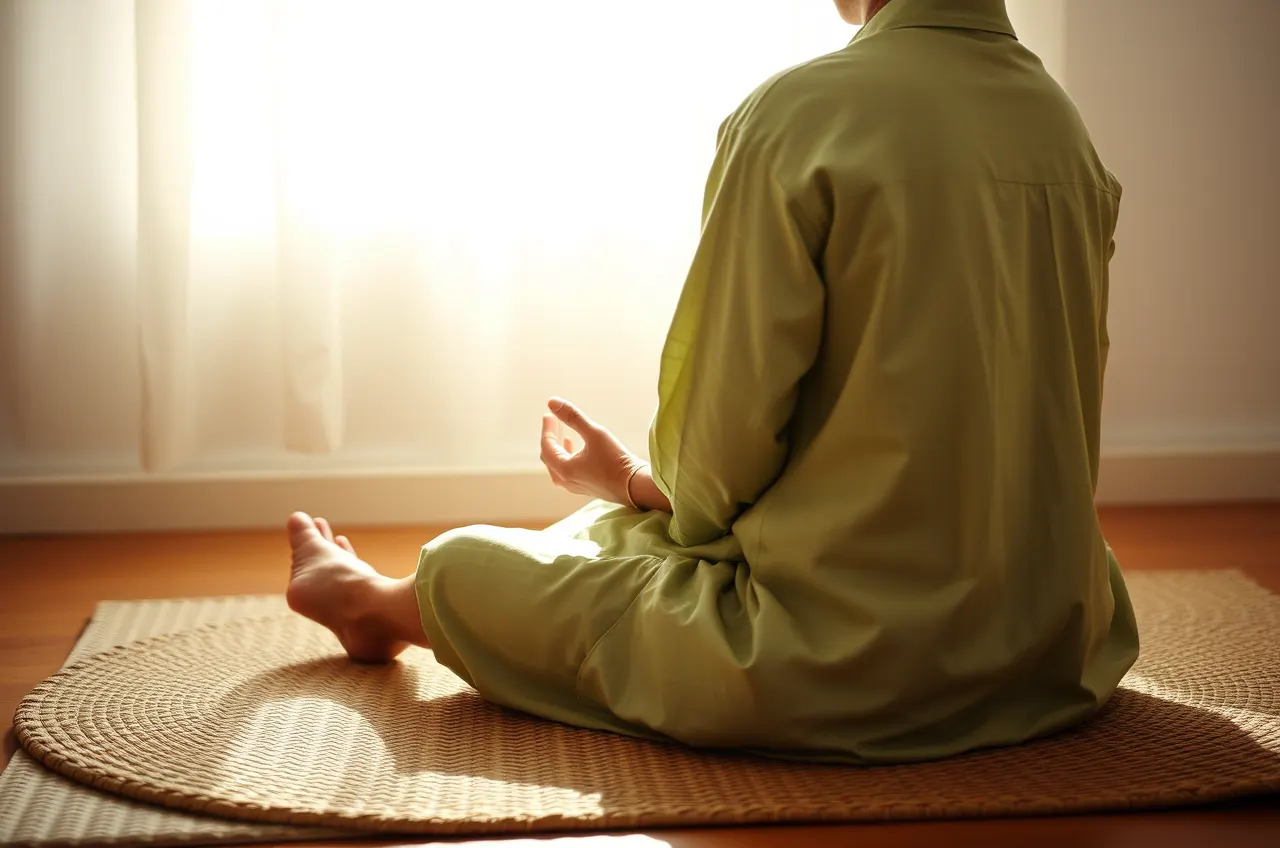
Yoga and meditation for PMOS get pitched online as either miracle cures or total wastes of time. Neither is honest — the real answer sits in between, and it's still worth knowing.
Movement and stress management are two of the most searched-for, non-medical approaches to PMOS — the condition most people know as PCOS or PCOD. Here is what they can realistically do, what they can't, and how to fit them into a full-time working life without adding one more source of stress to your day.
What yoga and movement can actually do
Regular physical activity, including yoga, supports PMOS management through a real, well-understood mechanism: improved insulin sensitivity. Since insulin resistance sits at the centre of most PMOS symptoms (see PMOS and weight gain), anything that helps the body use insulin more efficiently has a genuine, indirect effect on the cycle, skin, and weight symptoms that PMOS causes. Movement also:
- Supports better sleep quality, which itself affects insulin and mood (see PMOS, sleep, and digestion)
- Lowers day-to-day stress hormones, which matters given how closely stress and insulin resistance are linked
- Improves overall energy and mood, independent of any specific hormonal effect
What yoga does not do is directly and specifically correct hormone levels the way a targeted medical intervention might, and no single pose or sequence "fixes" PMOS. The honest framing is: movement supports the metabolic environment your body is working in, which makes everything else — diet, sleep, and any medical treatment — work better, rather than replacing any of it.
Which kind of movement matters most
For PMOS specifically, the research points toward a combination working better than any single type alone:
- Strength-based movement, which has a particularly strong effect on insulin sensitivity over time
- Regular, moderate cardiovascular movement — brisk walking counts, and consistency matters more than intensity
- Yoga and lower-intensity movement, valuable for its stress-reduction and consistency benefits, especially on days when higher-intensity exercise isn't realistic
There isn't a single "best PMOS yoga sequence," despite what some content claims. What matters more is finding a form of regular movement you'll actually keep doing, since consistency over months is what produces the metabolic benefit — not any particular pose or routine.
What meditation can realistically offer
Meditation and other stress-reduction practices don't directly change hormone levels, and claims suggesting otherwise overstate the evidence. What they genuinely do is lower stress, and stress has real, physiological effects relevant to PMOS: it raises cortisol, cortisol worsens insulin resistance, and insulin resistance is the metabolic engine behind most PMOS symptoms (see cortisol, the stress hormone, explained). So the honest chain is: meditation lowers stress → lower stress supports better insulin function and sleep → that supports PMOS management overall. It's an indirect but genuine effect, not a direct hormonal fix, and it works best as one part of a fuller plan rather than a stand-alone approach.
Managing PMOS while working full-time
This is one of the more practically difficult parts of PMOS care — most advice assumes more time and flexibility than a full-time job allows. A few things that tend to actually work within a demanding schedule:
- Anchor meal timing rather than perfecting meal content. Eating at roughly consistent times supports insulin regulation even before you optimise what's on the plate — useful when a "perfect PMOS diet" feels unrealistic on a work schedule (see our Indian PMOS diet guide for a practical starting point).
- Use short movement breaks rather than waiting for a free hour. A 10-minute walk after lunch, done consistently, tends to beat an ambitious hour-long workout plan that gets skipped when the week gets busy.
- Protect sleep as a non-negotiable, not a "when I have time" habit. Given how directly sleep affects insulin and stress, it's often the single highest-leverage change available to someone with limited time.
- Pick one or two changes, not a full overhaul. Trying to fix diet, exercise, sleep, and stress all at once in a demanding job usually collapses within weeks. A doctor can help identify which one or two changes matter most for your specific symptoms, so your limited time and energy go toward what will actually move the needle.
A realistic way to hold all of this
Yoga, meditation, and stress management are genuinely useful, evidence-supported parts of PMOS care — not because any of them "balances your hormones" on their own, but because they support the insulin, sleep, and stress systems that drive PMOS symptoms in the first place. They work best combined with diet and, where needed, medical care — and they work best when chosen realistically for the life you're actually living, not the idealised routine a wellness account is selling.
Building a routine that survives a bad week
Most movement and meditation plans fail not because the ideas are wrong, but because they're built for an ideal week rather than a realistic one. A more durable approach:
- Have a "minimum viable" version of each habit. If your full workout is 45 minutes, decide in advance what the 10-minute version looks like for days when that's all you have — a short walk, a handful of sun salutations, five minutes of quiet breathing. A smaller version done consistently beats an ideal version done occasionally.
- Attach new habits to things you already do, rather than trying to create entirely new time blocks. Stretching while the tea boils, a walk during a work call that doesn't need a screen, or a few minutes of breathing before bed are easier to sustain than a stand-alone new appointment in your day.
- Expect inconsistency, and don't treat a missed week as a failed plan. PMOS management is a long game, and the habits that matter are the ones you return to after a gap, not the ones you never break.
When stress itself needs more than lifestyle tools
Yoga, meditation, and better sleep genuinely help with everyday stress, but they are not a substitute for professional support if stress has tipped into something more persistent — ongoing anxiety, low mood, or feeling unable to cope with daily responsibilities. If that describes your experience, it's worth raising directly with your doctor alongside your PMOS symptoms (see PMOS, mental health, sleep, and digestion), rather than expecting a meditation app to carry a weight it isn't built for.
The goal isn't a perfect morning routine. It's finding the one or two habits you'll actually keep doing on a hard week, not just a good one.
Talk to a doctor
Trying to fit PMOS management around a full-time job? An NMC-registered doctor on Kyros can help you prioritise what will actually make a difference for your symptoms. Take the assessment.
References
- Ganie MA, et al. Prevalence and clinical features of PCOS in India (ICMR national study). JAMA Network Open, 2024.
For general information only; not a substitute for your own doctor. PCOS/PCOD remain the medically recognised terms.