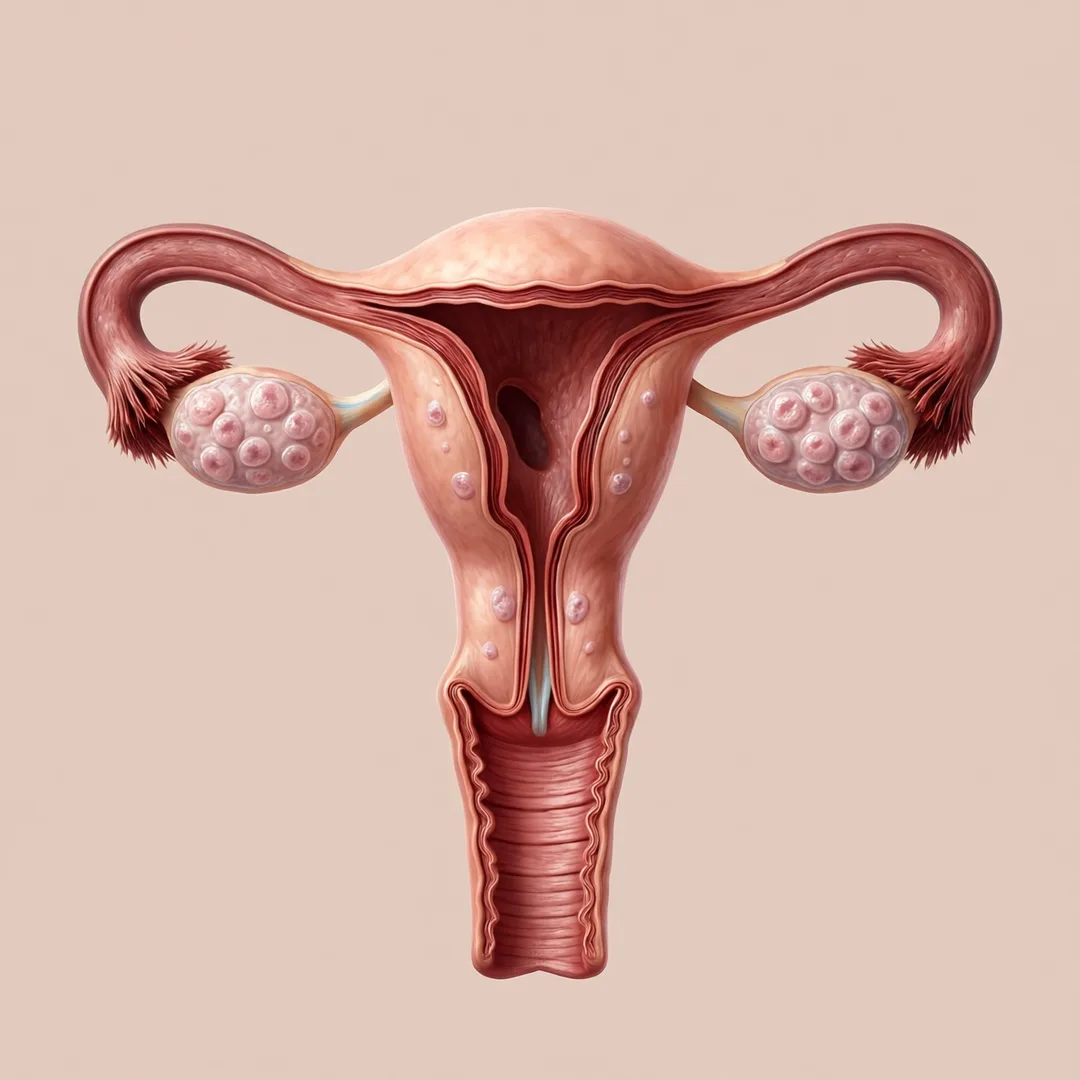
Kyros Clinic · PMOS (PCOS)
Your cycle has been a question mark for years. It doesn't have to stay one.
PCOS is an insulin problem that looks like a hormone problem that looks like a period problem. A Kyros doctor evaluates all three dimensions and builds a plan that is specific to your phenotype.
Online PMOS (PCOS) consultation
Book a video consultation with an NMC-registered doctor. One fee, paid once — no subscription, and no charge for the booking itself.
Initial consultation
₹500
One-time fee, no subscription
20-minute video consultation with a Kyros doctor
Your intake reviewed by the doctor before the call
A written doctor's note within 24 hours
A prescription if clinically indicated
Lab orders with guidance on where to test
Not included in the fee
Lab tests — paid directly to the lab you choose
Medications — filled at any pharmacy
In-clinic procedures — Kyros is telemedicine only
Follow-up consultations with the same doctor are ₹400–₹500, booked from within the Kyros app after your first consultation.
NMC-registered
Registration verified before onboarding
Specialty-matched
Doctors treat only within their verified specialty
Free cancellation
Up to 2 hours before your slot
No platform fee
The consultation fee is what you pay
Recognise
Does this sound familiar?
- Irregular or absent menstrual cycles
- Excess facial or body hair (hirsutism)
- Acne, especially along the jaw and chin
- Hair thinning or loss on the scalp
- Difficulty losing weight
- Mood changes and fatigue
- Difficulty conceiving
- Darkening of skin in body folds (acanthosis nigricans)

Consult
How a Kyros pmos (pcos) consultation works
Complete a short intake.
Before your consultation, you fill in a brief symptom and history form. Your doctor reads it before the call — not during.Consult with a specialist.
Your Kyros doctor is a specialist in pmos (pcos). The consultation is 20 minutes, video-based, private.Receive a plan you can follow.
After the consultation: a prescription if indicated, lab orders if needed, a follow-up date, and a written note from your doctor.
Plan
What Kyros offers for pmos (pcos)
Complete PCOS workup: LH, FSH, AMH, DHEAS, prolactin, fasting insulin, HbA1c, androgens

PCOS phenotype classification (A, B, C, or D per Rotterdam criteria)

Insulin-sensitising therapy including metformin where indicated

Inositol supplementation guidance with evidence-based dosing

Fertility-supportive consultation for patients trying to conceive
Skin and hair management alongside hormonal treatment
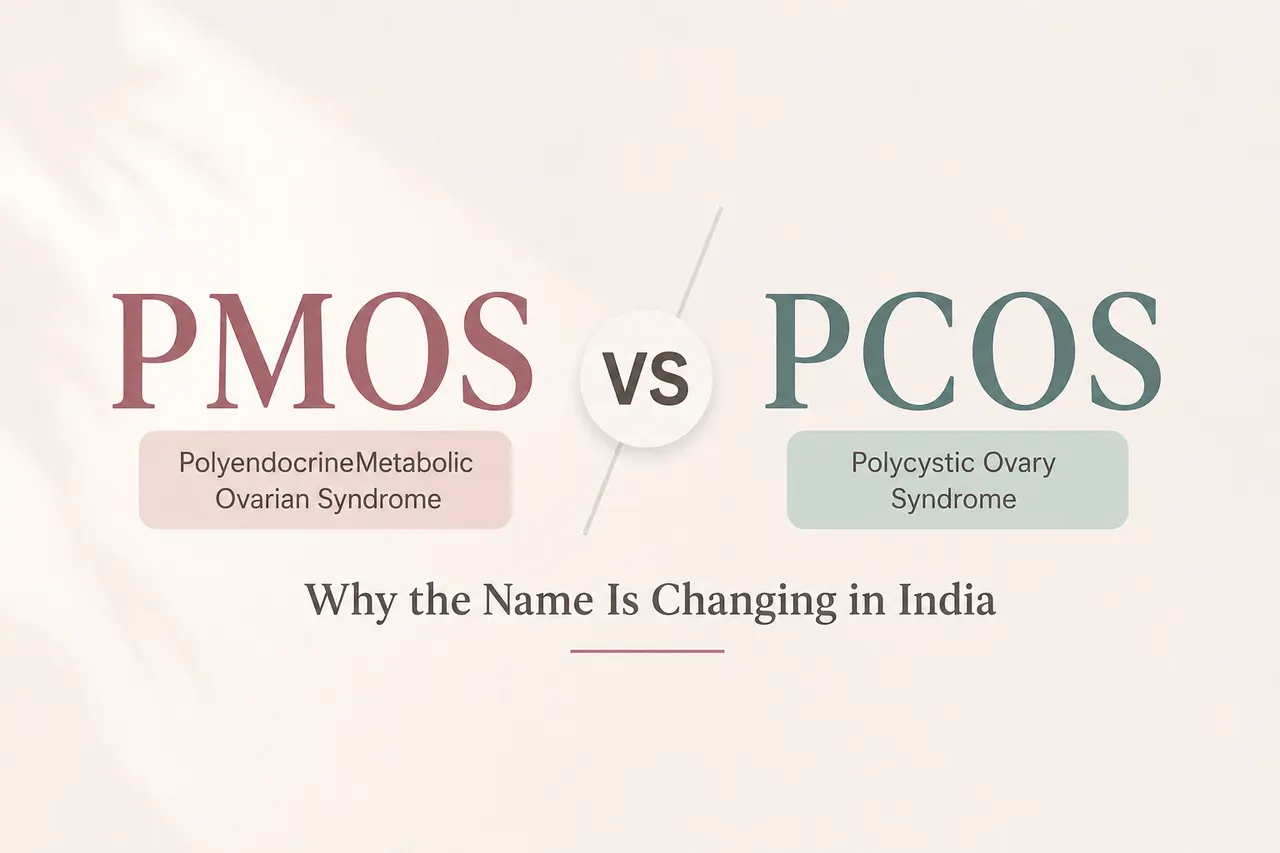
Track
Some answers are quiet. They're still answers.
Labs, biomarkers, dosage changes, and doctor notes accumulate in one place. Your doctor adjusts the plan at every follow-up.
- prevalence in Indian women (Ganie 2024)
- 19.6%
- PCOS phenotypes requiring different clinical approaches
- 4
- Indian women potentially affected
- 12M+
Questions
About pmos (pcos)
PCOS (polycystic ovary syndrome) is a recognised endocrine disorder characterised by hormonal imbalance, metabolic dysfunction, and often polycystic ovaries. PCOD (polycystic ovarian disease) is a colloquial term used in India that often refers to the radiological finding of multiple follicles without the full diagnostic criteria. Your Kyros doctor will use the internationally recognised Rotterdam criteria to assess your specific presentation.
No. The instruction to 'lose 5 kg and come back' is medically incomplete. While weight loss can improve insulin sensitivity and hormonal balance, many patients require insulin-sensitising medication, hormonal support, or targeted supplementation regardless of weight. Treatment is based on phenotype, not weight alone.
Yes, though most women with PCOS can conceive with appropriate management. Ovulation induction with medication (clomiphene, letrozole) is effective for many patients. Your Kyros doctor will discuss fertility planning as part of your overall care.
Learn
Learn more about pmos (pcos)

PMOS (PCOS)
PMOS (PCOS), Acne, Hair Loss, and Facial Hair: Why It Happens

PMOS (PCOS)
PMOS (PCOS) Hormone Blood Tests Explained

PMOS (PCOS)
PMOS (PCOS) Medication Options in India: What Doctors Actually Consider

PMOS (PCOS)
PMOS (PCOS) Beyond Periods and Weight: Anxiety, Sleep, and Digestion