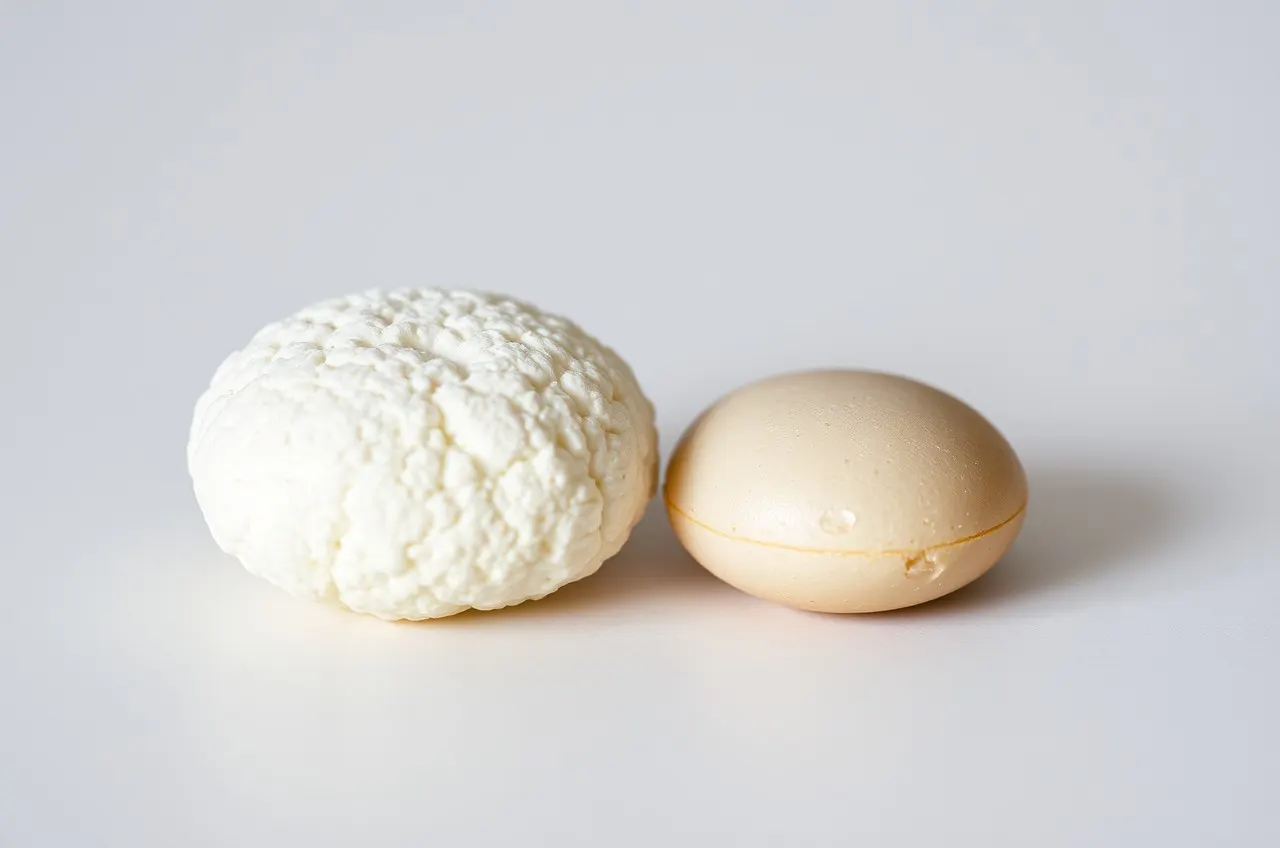
Small, rough bumps that never quite become a pimple and never quite go away — a genuinely common, genuinely confusing combination.
Two of the most misunderstood, most searched-about skin textures fall into this category: keratosis pilaris, the sandpaper-like bumps on the upper arms, and closed comedones, the tiny stubborn bumps on the forehead and cheeks that never seem to "pop." They're often mistaken for each other, and both are frequently mistaken for regular acne. Here's what each one actually is.
Keratosis pilaris: the "chicken skin" bumps
Keratosis pilaris shows up as small, rough, slightly raised bumps, usually on the:
- Upper arms (the most common location by far)
- Thighs
- Cheeks, especially in children and teenagers
- Occasionally the buttocks or back
It happens when dead skin cells build up and plug the opening of a hair follicle, rather than shedding normally. The result feels like tiny grains of sand under the skin, and can look slightly reddish or skin-coloured depending on your tone. It's sometimes casually called "chicken skin," which describes the texture but isn't a medical term.
Keratosis pilaris is extremely common, entirely harmless, and not caused by anything you did wrong. It's not related to hygiene, and it's not a form of acne, despite the bump-like appearance. It tends to run in families, is often more noticeable in winter when skin is drier, and frequently improves with age — though for many people it persists into adulthood in a milder form.
Closed comedones: the bumps that "won't come to a head"
Closed comedones are small, firm, skin-coloured or slightly whitish bumps, most commonly on the forehead, chin, cheeks, and around the hairline. Unlike a typical pimple, they don't have a visible opening, don't usually hurt, and can sit under the skin for weeks without changing — which is exactly why people find them so frustrating. Picking or squeezing them rarely helps and often makes the area red or irritated without actually clearing the bump.
Closed comedones are, medically, a mild, non-inflamed form of acne — a pore blocked with oil and dead skin cells, just without the redness and inflammation of a typical breakout. That means the same underlying factors that drive acne generally — oil production, dead skin buildup, and product choices — apply here too. Our guide on adult acne covers those drivers in more depth.
Telling them apart
| Keratosis pilaris | Closed comedones | |
|---|---|---|
| Where | Upper arms, thighs, cheeks | Forehead, chin, cheeks |
| What it is | Plugged hair follicle | Blocked pore (mild acne) |
| Texture | Rough, sandpaper-like | Smooth, firm bumps |
| Related to acne? | No | Yes — a non-inflamed form |
| Typical course | Long-term, often improves with age | Comes and goes with skin/oil changes |
The location is usually the fastest clue: body-and-cheek bumps that feel rough point to keratosis pilaris, while forehead-and-chin bumps that feel smooth and firm point to closed comedones.
What helps with keratosis pilaris
Because it's a buildup issue rather than an infection or inflammation, keratosis pilaris responds best to:
- Gentle exfoliation, to help clear the dead skin plugging the follicle — but gentle is the operative word, since scrubbing hard irritates the area without clearing it faster.
- Consistent moisturising, since dry skin makes the texture more noticeable, particularly in colder months.
- Doctor-guided topical options for more persistent cases, matched to your skin's sensitivity.
- Patience. This is a long-term skin characteristic for many people, not something that resolves in weeks. Management, not elimination, is the realistic goal.
What helps with closed comedones
Because these are a mild acne variant, the approach overlaps with general acne care:
- Avoiding heavy, pore-clogging products, particularly rich creams or oil-based makeup on already bump-prone skin.
- Gentle, consistent exfoliation to help pores clear rather than stay blocked.
- Not picking or squeezing, which typically worsens the area without actually extracting the blockage.
- Doctor-guided topical treatment for stubborn or widespread comedones, since the right active ingredient and strength depends on your skin's sensitivity and how extensive the bumps are.
When to see a dermatologist
Neither condition is urgent, but a consultation is worth booking when:
- The bumps are itchy, inflamed, or spreading beyond the typical pattern.
- They're not improving after a few months of gentle, consistent basic care.
- They're affecting your confidence — cosmetic bother is a completely valid reason to seek care, not something to dismiss because the condition is "harmless."
- You're unsure which of the two you're dealing with, since the right approach differs between them.
An online dermatologist can usually tell keratosis pilaris from closed comedones — and from other look-alike bumps — from clear photos and a short history, and guide a plan matched to your specific skin.
Neither of these bumps is dangerous, and neither means you're doing something wrong. They're just skin, being a little more textured than the internet's beauty standard prefers.
Talk to a doctor
Bumps that won't clear with basic care? An NMC-registered dermatologist on Kyros can tell you exactly what you're dealing with. Take the assessment.
References
- Indian dermatology guidance on keratosis pilaris and comedonal acne. (Specific source to be confirmed by the reviewing dermatologist at publish.)
For general information only; not a substitute for your own doctor.