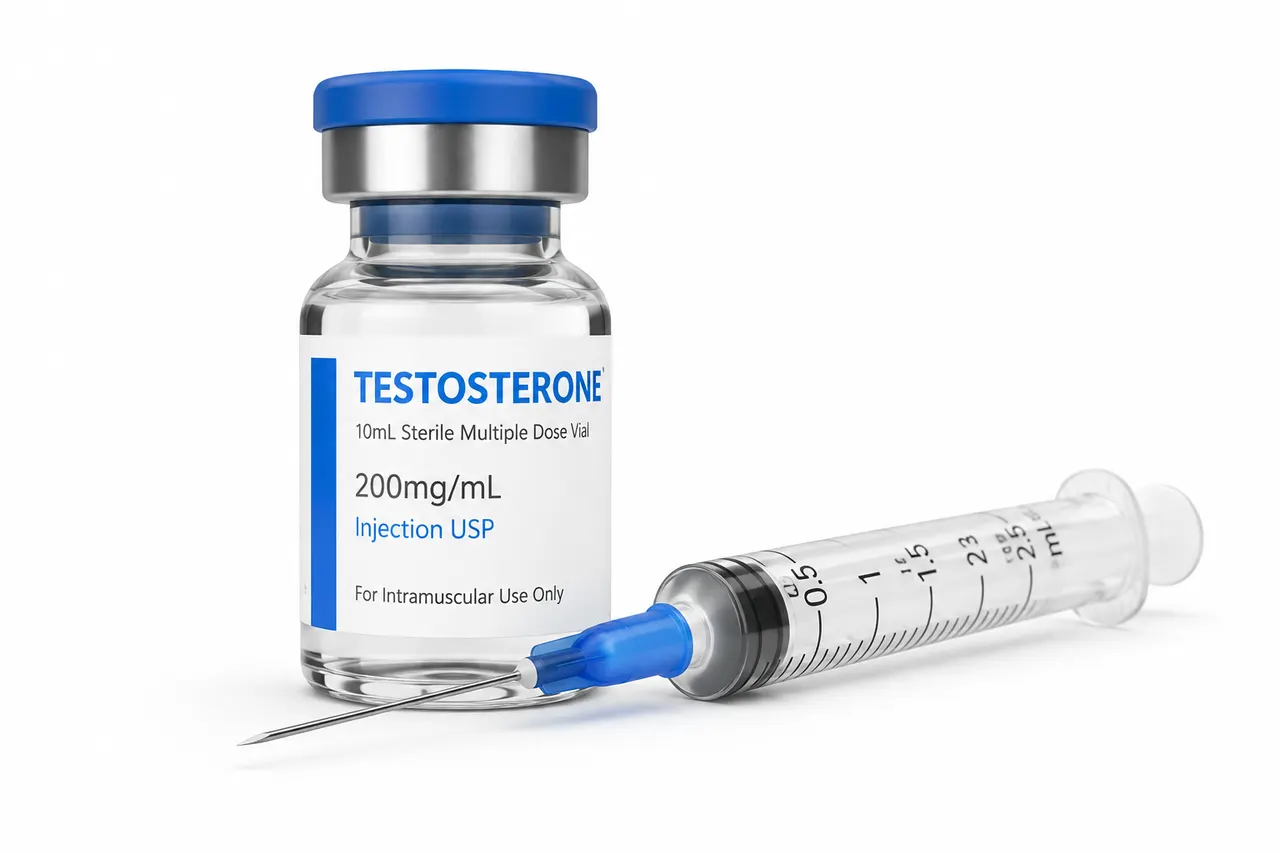
There is a lot of loud, careless talk about testosterone online. The medical reality is calmer — and more useful.
Testosterone replacement therapy (TRT) is a medical treatment that restores testosterone to a healthy range in men with confirmed low levels. That phrase — confirmed low levels — is the whole point. TRT is endocrine medicine for a diagnosed condition, prescribed and monitored by a doctor. It is not a performance enhancer, a gym supplement, or an anti-ageing shortcut, whatever the internet suggests.
When doctors consider TRT
Indian expert guidance is clear: TRT is considered for men with hypogonadism — meaning clear symptoms together with repeated, confirmed low blood tests (Kalra et al., 2023; IDEA, 2021). Both halves are needed. It is not appropriate for men with borderline or normal levels who simply want a general "boost" — and Indian guidance specifically cautions against using it in those situations.
So the honest sequence is: symptoms → proper testing → confirmation → then a discussion about TRT, only if the diagnosis fits. Our guides on low testosterone signs and testosterone testing cover the steps before this one.
How it works, in principle
When a doctor confirms genuine hypogonadism, TRT works by restoring testosterone to a normal, healthy range — not pushing it above normal. The body's own signals are taken into account, the response is checked, and the approach is adjusted over time. The specifics of how it is given are a medical decision your doctor makes for you, individually.
Why supervision is the heart of it
This is the part the online sellers skip. Safe TRT is built on monitoring:
- Baseline tests before starting, to confirm the need and check it is appropriate
- Regular follow-up blood tests to keep levels in the right range
- Ongoing review of symptoms, response, and overall health
TRT bought from a gym or online — without diagnosis or monitoring — is genuinely risky and one of the things responsible doctors warn against most strongly. In India, testosterone is a prescription medicine for good reason.
The honest takeaway
For the right man — properly diagnosed and monitored — TRT can be a legitimate, well-established treatment. For the wrong man — borderline levels, no real deficiency — it is unnecessary and potentially harmful. The value is entirely in getting the diagnosis right first. Whether it is genuinely safe and suitable for you is the subject of our companion guide, is TRT safe.
TRT is medicine, not a hack. Done properly, it starts with a diagnosis — not a decision to "try testosterone."
Talk to a doctor
Wondering whether TRT could apply to you? An NMC-registered doctor on Kyros can assess properly — diagnosis first, honestly. Take the assessment.
References
- Kalra S, et al. Indian guidance on the diagnosis and management of male hypogonadism, 2023.
For general information only; not a substitute for your own doctor. Prescription treatment is decided and monitored by a doctor.