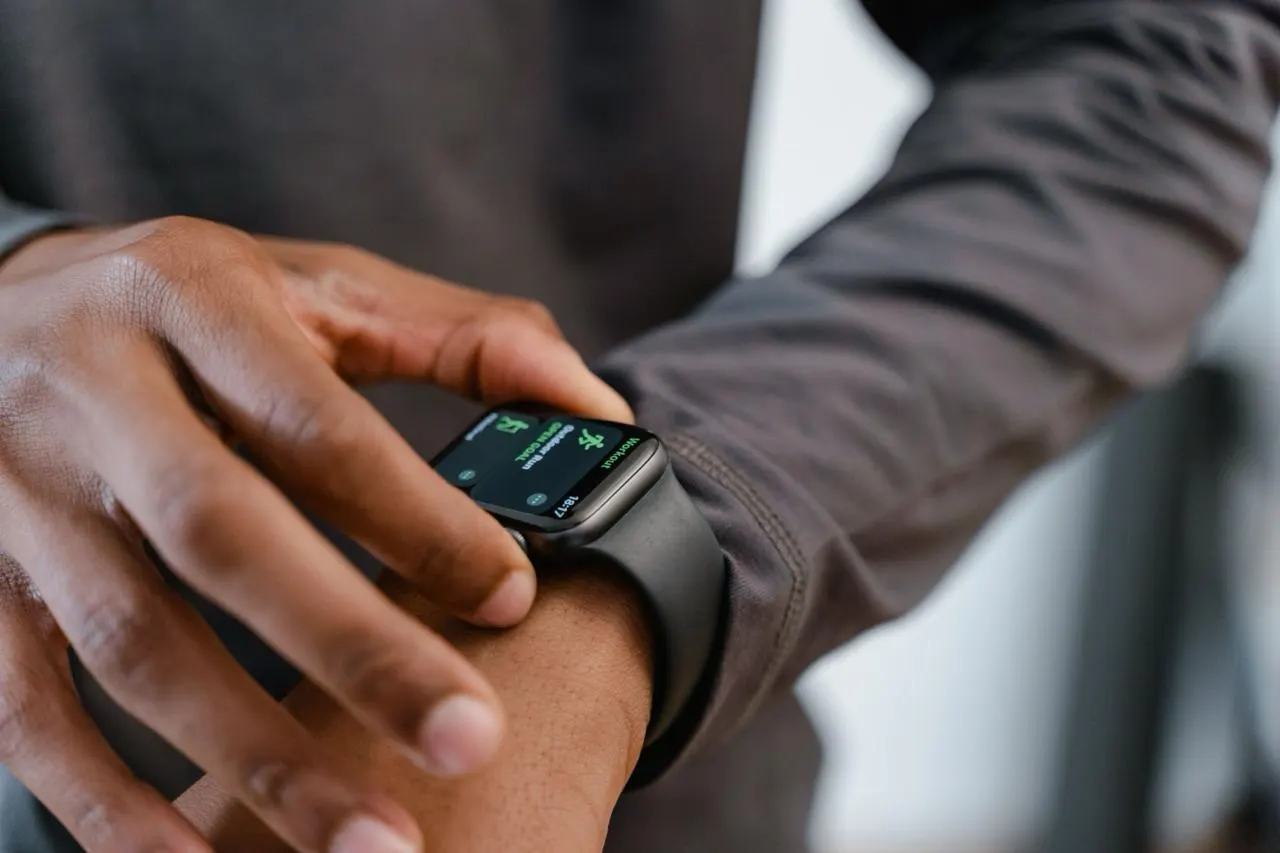
Your smartwatch tracks a hundred things. Maybe four of them actually matter — and knowing which saves you a lot of worry.
Wearables — smartwatches and fitness bands — can be genuinely useful for health, but they can also flood you with numbers that mean very little. The skill is knowing which few are worth watching, treating them as trends rather than diagnoses, and knowing where they stop. Here is an honest guide.
The numbers worth tracking
A short list does most of the work:
- Resting heart rate. A simple, meaningful marker. A steadily rising resting heart rate over weeks can signal stress, poor sleep, or illness; a falling one often reflects improving fitness.
- Sleep duration and consistency. Not the fancy "sleep score," but simply how long and how regularly you sleep. Sleep affects weight, mood, blood sugar, and hormones.
- Daily activity and steps. A good nudge toward moving more, which matters for metabolic health.
- Trends over time. The single most valuable view. One day's data is noise; a four-week trend is signal.
If you watch only these, you get most of the real benefit.
What to take with a pinch of salt
Wearables are good for trends, not precision. Treat these gently:
- Exact calorie counts — often quite inaccurate.
- "Stress" and "recovery" scores — interesting, not medical.
- HRV (heart rate variability) — useful as a personal trend, but easily over-interpreted.
- Spot readings of blood oxygen or single heart-rate numbers — fine as rough guides, not diagnoses.
The danger is over-tracking — anxiety from chasing perfect scores can do more harm than the data does good.
Where wearables genuinely shine
A few features are real wins:
- Nudging movement and consistent sleep, which builds healthy habits
- Spotting a clear change — like a resting heart rate that jumps and stays up
- Rhythm alerts on some devices, which can flag an irregular heartbeat worth checking
These are reasons to see a doctor, not answers in themselves.
The honest boundary
This is the key line: a wearable can raise a useful flag, but it cannot diagnose. It does not replace blood pressure measured properly, an HbA1c, or a cholesterol panel (see the preventive check after 30). The best use of a wearable is as a daily habit coach and an early-warning nudge — with real medical checks doing the actual diagnosing.
Let the watch encourage you and occasionally warn you. Let a doctor do the diagnosing.
Talk to a doctor
Got a wearable alert or trend that worries you? An NMC-registered doctor on Kyros can tell you whether it needs a proper check. Take the assessment.
References
- General preventive medicine guidance on consumer wearables. (Specific sources to be confirmed by the reviewing doctor at publish.)
For general information only; not a substitute for your own doctor.