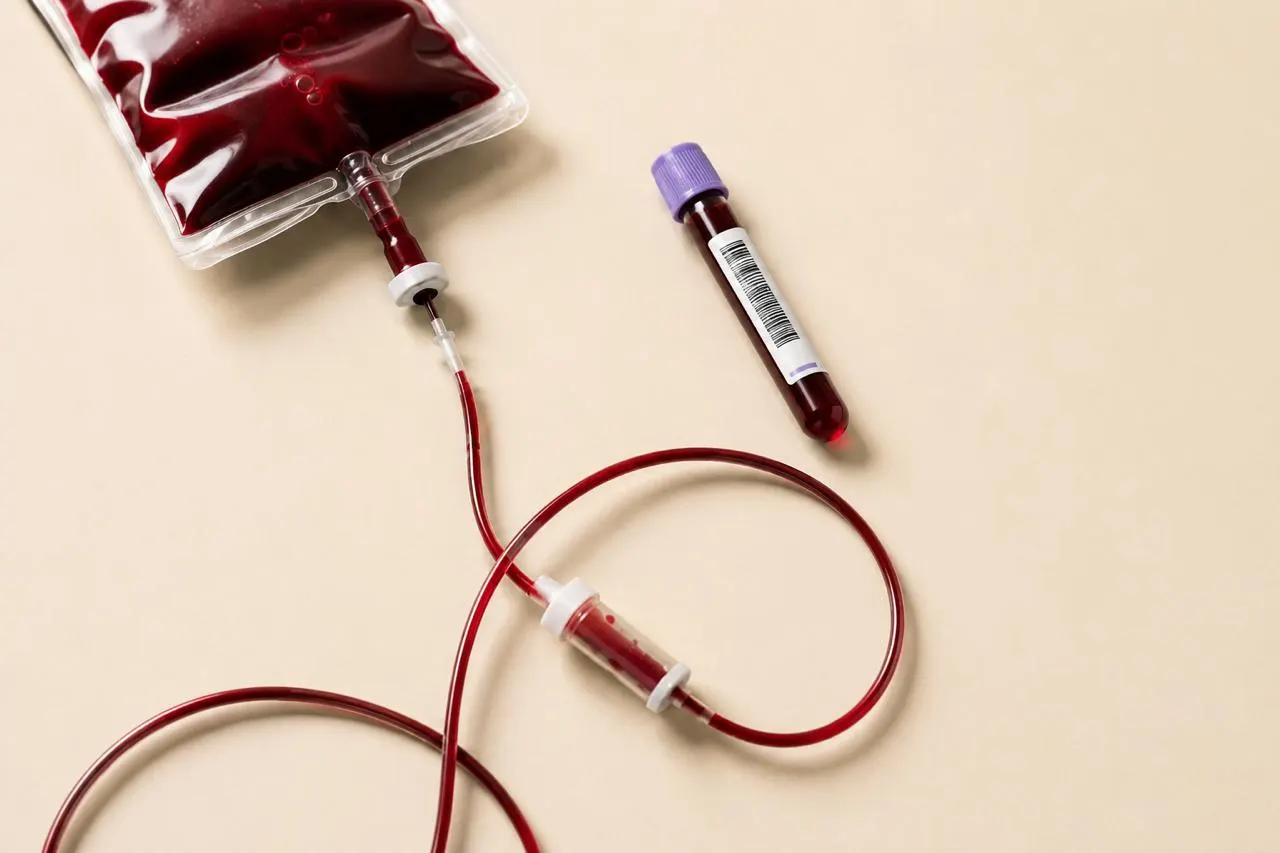
Some of the most important things about your health are invisible — until a blood test puts a number on them, years before any symptom.
A handful of blood markers act like a weather forecast for your health. They can flag rising heart and metabolic risk long before you feel anything — which is exactly what makes them valuable. You do not need a hundred tests. You need to understand a few important ones. Here they are, in plain words.
The markers worth knowing
HbA1c — your blood sugar over months. Unlike a single sugar reading, HbA1c shows your average over about three months. It catches the slow drift toward prediabetes and diabetes early (see HbA1c explained). One of the single most useful numbers you can know.
Cholesterol panel — and especially ApoB. Standard cholesterol (LDL, HDL, triglycerides) is useful, but ApoB goes further: it counts the actual number of harmful particles that can clog arteries. Many doctors now see ApoB as a sharper predictor of heart risk than the usual numbers alone.
Lp(a) — the inherited one. Lp(a) is a particle largely set by your genes that raises heart risk independently of lifestyle. Because it is mostly inherited, it is usually checked once in a lifetime — and it is especially worth knowing if heart disease runs in your family.
Blood pressure. Not a blood test, but one of the most powerful predictors there is — and silent until it is advanced.
Markers of inflammation and liver health, such as hs-CRP and liver enzymes, which add context, especially fatty liver (common in India).
How to read them: together, not alone
This is the key skill. No single marker tells the whole story. A slightly high number in isolation may mean little; the same number alongside a high waist, rising HbA1c, and family history means a lot. A doctor reads the pattern — which is why these are guides for a conversation, not self-diagnosis tools. The underlying picture they describe is your metabolic health.
Why this is empowering, not scary
Most of these markers respond to action. HbA1c, ApoB, blood pressure, and inflammation can all improve with the right changes and, where needed, a doctor's care. Knowing your numbers early means you can act while change is easiest — instead of finding out after a problem has already arrived.
What to do with this
You do not need every test on day one. A sensible starting set, guided by a doctor, usually covers blood sugar, a cholesterol panel, blood pressure, and your personal risk factors — with Lp(a) checked once. Our preventive check after 30 puts it together.
The numbers you can't feel are often the ones that matter most. Knowing them early is a quiet superpower.
Talk to a doctor
Want to know which markers matter for you? An NMC-registered doctor on Kyros can guide the right tests and read them together. Take the assessment.
References
- Anjana RM, et al. ICMR-INDIAB national study. Lancet Diabetes & Endocrinology, 2023.
For general information only; not a substitute for your own doctor.