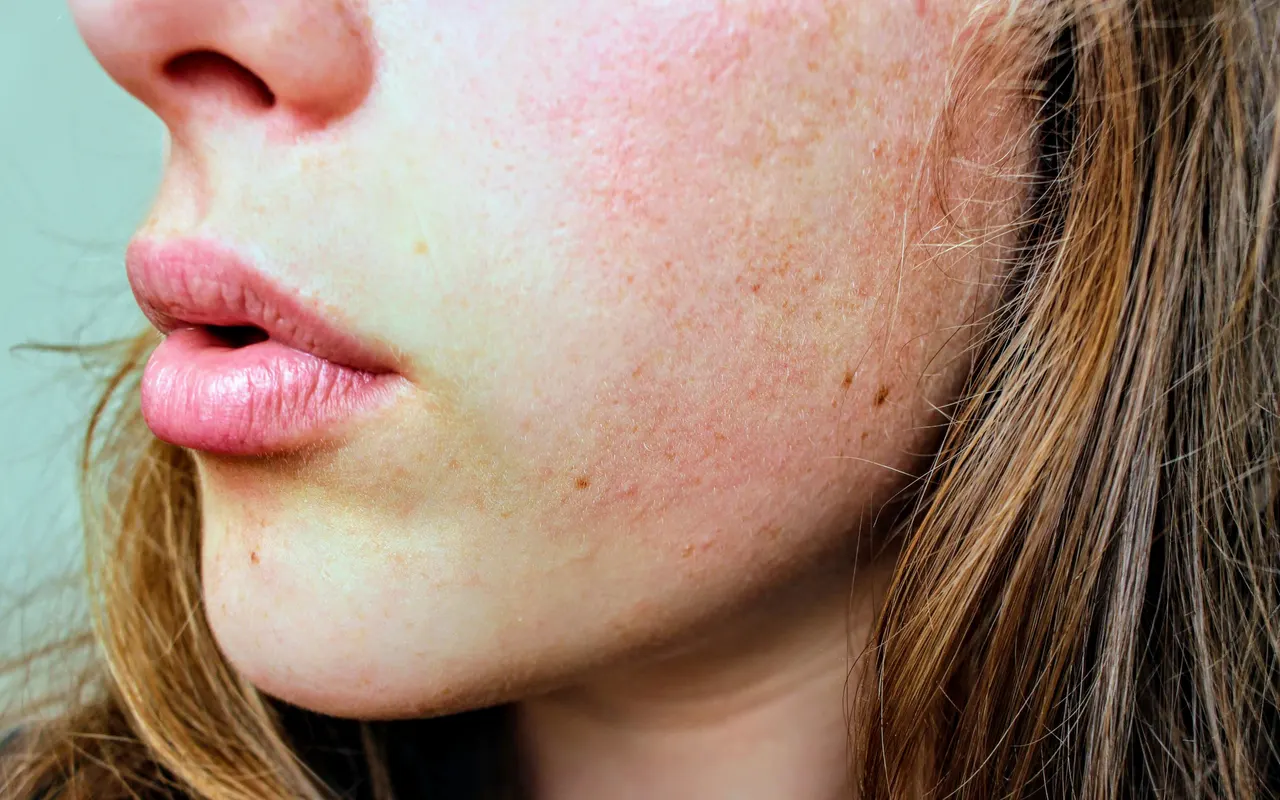
Those brown patches on the cheeks aren't a tan, and they don't scrub off — and that's the first thing worth understanding.
Melasma is very common on Indian skin, and it is widely misunderstood. It shows up as brown or grey-brown patches, usually on the cheeks, forehead, upper lip, or nose. It is harmless to your health, but it can be stubborn and frustrating. The good news: it can be managed and improved with the right, doctor-guided approach. The not-so-good news: there is no overnight fix, and most quick "solutions" sold online make it worse.
Why melasma appears on Indian skin
Indian skin naturally has more pigment, which is protective — but it also means pigment-producing cells react strongly to triggers. The two big triggers are:
- Sunlight (and heat). UV and even visible light switch pigment cells into overdrive. This is the number-one driver, and it is why melasma worsens in summer and after sun exposure.
- Hormones. Pregnancy and hormone changes can bring it on (it is sometimes called "the mask of pregnancy").
Other factors — harsh products, irritation, and certain treatments — can deepen it. Indian skin is also prone to post-inflammatory pigmentation, where spots linger after acne or irritation heals.
What actually helps
The honest order of priority matters here:
- Sun protection comes first, always. Daily, generous, repeated sunscreen — plus hats and shade — is the foundation. Without it, nothing else holds. This single habit does more than any product.
- Gentle skin care. Harsh scrubbing and strong DIY remedies inflame the skin and darken patches. Less is more.
- Doctor-guided treatments. A dermatologist may add specific skin treatments chosen for Indian skin, used carefully — because the wrong strength or product can backfire on darker skin tones.
- Managing triggers, including hormones where relevant.
A realistic expectation
Melasma is best thought of as a condition to manage steadily, not erase once. It usually improves with consistent care, but it can return if sun protection stops or triggers continue. Treating it as ongoing care — like managing any other recurring condition — gives the best, most lasting result. Chasing instant "spotless" promises is what leads to harm and disappointment.
Melasma rewards patience and sun care far more than it rewards strong products. Slow and steady wins this one.
Talk to a doctor
Brown patches that won't budge — or are getting worse with home remedies? An NMC-registered dermatologist on Kyros can guide care that suits Indian skin. Take the assessment.
References
- Indian dermatology guidance on melasma in skin types IV–V. (Specific source to be confirmed by the reviewing dermatologist at publish.)
For general information only; not a substitute for your own doctor.